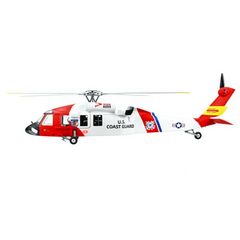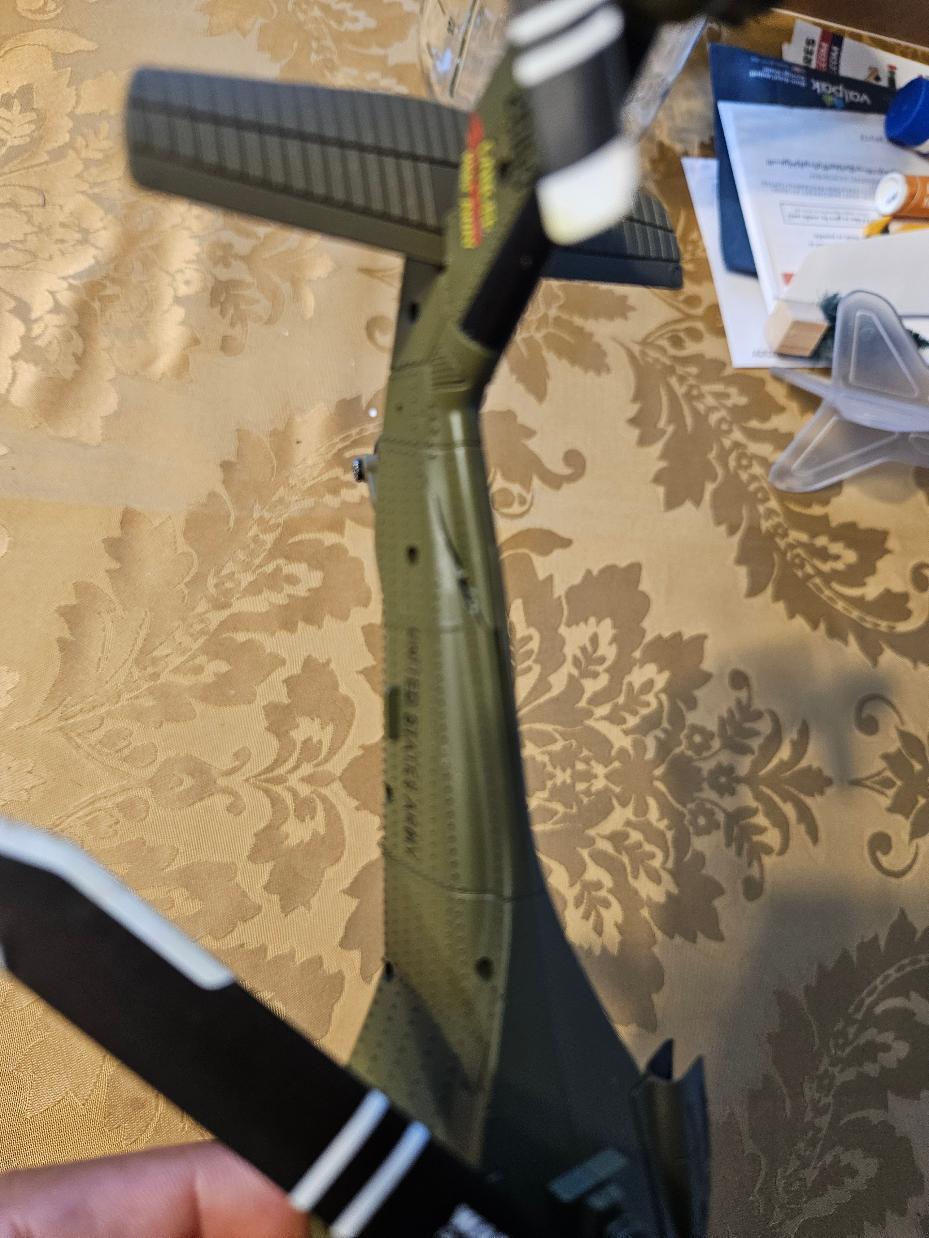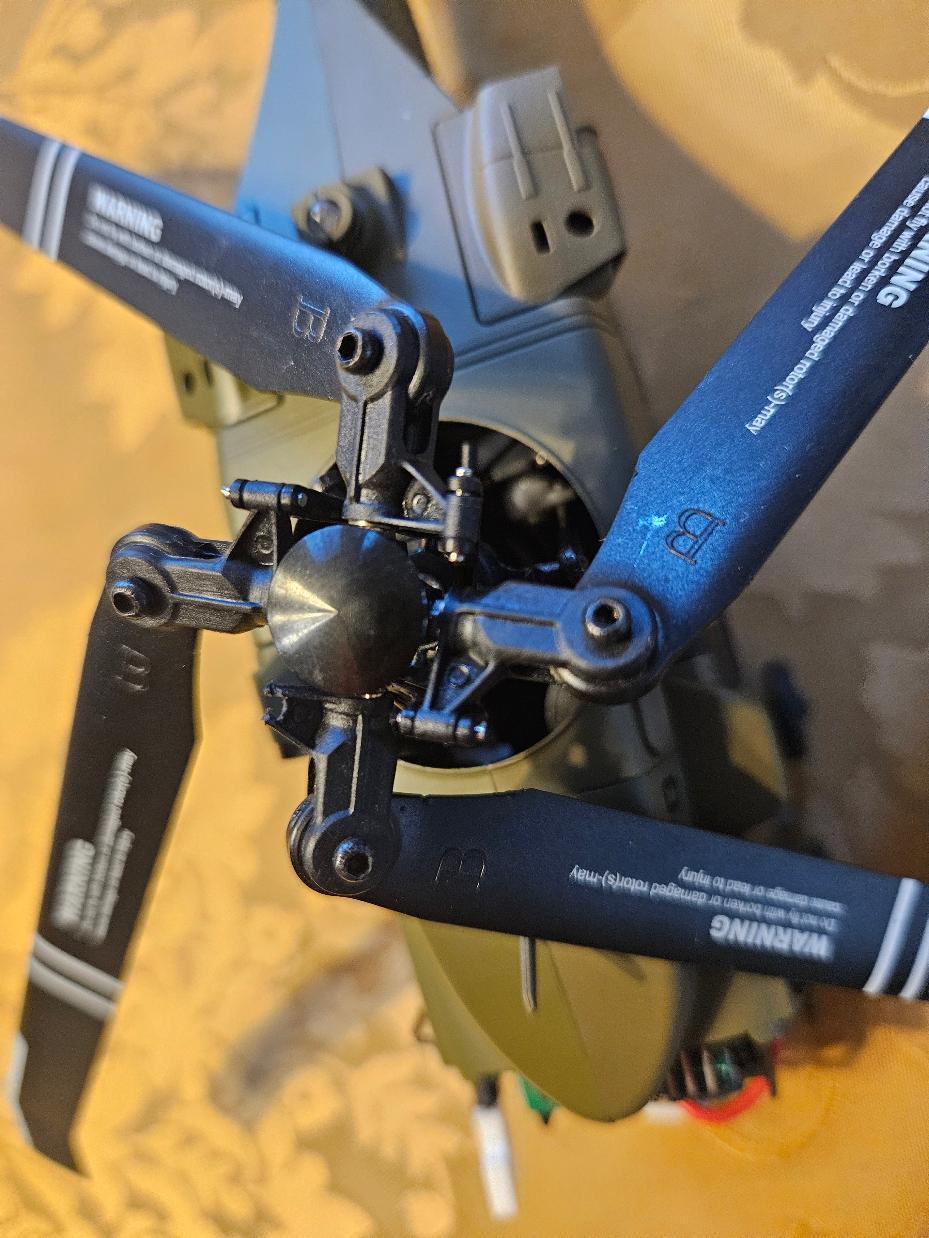

For years, flying a scale RC military helicopter was a hobby reserved for experts with a lot of practice. But what if it's simple enough for beginners?
If you have ever wanted the military look of a 470-class scale model without the high-stress learning curve, this FlyWing MH-60T Jayhawk GPS RC Helicopter might be your perfect match.
In this review, the focus is on one key question: Is it really as easy to fly as a camera drone, or is that just marketing hype?
Is the FlyWing MH-60T Really Easy to Fly Like a Drone?
Yes, for most beginners the FlyWing MH-60T feels surprisingly close to a GPS camera drone thanks to its ACE electronic stabilization, assisted flight modes, and "fail-safe" features. While you still need basic orientation skills, this GPS RC Helicopter handles the most difficult parts of flight—like maintaining altitude and steady hovering—automatically.
GPS Stability
GPS stability is a big reason people search for a GPS-stabilized RC helicopter for beginners. When you release the sticks in GPS mode, the MH‑60T works to hold its position and altitude instead, much like a DJI Mavic or Phantom. This auto‑hover behavior reduces pilot stress.
Limits you must know: GPS hold is not magic. You’ll see weaker performance when:
- When the wind suddenly picks up, especially in gusts
- When buildings or trees block the satellite signal
- When flying near metal structures or strong electrical interference

One-Key Return
Return‑to‑home is the feature many beginners rely on, and the MH‑60T includes a one‑key return function similar to what you find on consumer drones. When activated, the helicopter will automatically climb to a safe altitude, fly back to its takeoff point, and land softly.
Practical safety steps: Use this four-step pre-flight checklist to make RTH more reliable:
- Choose an open field (avoid trees, roofs, power lines)
- Wait for a stable GPS lock before takeoff
- Plan your recovery path (don’t fly low behind obstacles)
- Keep the remote control helicopter within visual line of sight
Beginner Mode
FlyWing has included a software-limited "Beginner Mode." This mode restricts the tilt angles and speed of the helicopter, ensuring that new pilots don't accidentally over-control the aircraft into a crash.
For new RC pilots or drone users who have never flown collective‑pitch helis, this reduced sensitivity is a big confidence boost. Later, you can step up to more responsive modes as your skills grow.
Hands-On Performance: As Easy as Promised?
In real flying, the MH‑60T largely delivers on its “drone‑easy” promise, but it is still a powerful 470-class giant RC helicopter that demands respect. So how does it hold up in actual flights? Let's look at real hands-on tests.
Hands-on test of FlyWing MH-60T Jayhawk RC military helicopter
In a hands‑on test by Essential RC, takeoff is the moment when the difference from a traditional heli is most obvious. Instead of jumping into the air, the model performs a smooth, computer‑controlled liftoff, climbing at a steady rate while maintaining heading and level attitude.
What Makes This GPS RC Helicopter Different From a Traditional RC Heli?
The primary difference is the "brain" of the aircraft; traditional helicopters are inherently unstable and require manual correction every millisecond, whereas the FlyWing MH-60T uses an intelligent ACE controller to handle the stability for you.
ACE Flight Controller
The ACE system is the heart of this GPS RC Helicopter. It features:
- M10 GPS Module: Faster satellite acquisition and better signal retention.
- Multiple Modes: Switch between GPS (auto-leveling), Attitude (altitude hold only), and Manual (for experienced pilots).
- Omnibus Data: Real-time feedback of battery voltage and signal strength to your transmitter.
High-Efficiency Power
Efficient power matters because it supports smoother cruising and more predictable flight planning. The MH‑60T is built around a brushless 3508 main motor and a matched ESC, running on a 4‑cell (around 16 V) LiPo pack, offering 18 to 20 minutes of flight time. Many traditional helis only stay up for 8 to 10 minutes.
Scale Rotor Design
The 4-blade rotor head isn't just for looks. It uses NACA 8-H-12 style rotor blades, which are specifically shaped to provide high lift at lower RPMs. This results in quieter, more realistic sound and smoother handling characteristics.

Is the FlyWing MH-60T Worth the Investment for Hobbyists?
For hobbyists who enjoy scale aircraft and already have access to a decent flying field, the FlyWing MH‑60T offers strong value as a long‑term platform. It is more expensive than a toy heli, but it packs in features that can carry a pilot from first hover to confident scale flying.
Pros and Cons: Honest Take from Real Users
| Category | Pros (Benefits) | Cons & Risks |
| Flight Control | Drone-like Stability: GPS-assisted hover, one-key return, and soft takeoff/landing. | Performance Limits: Not for 3D acrobatics; loud tail rotor sound; possible slight hover wobble. |
| Flight Time | 18-25 Minute Flights: long flight time lowers running costs and reduces battery swapping. | Space Required: Not suitable for small backyards; requires a proper outdoor flying field. |
| Build Quality | Museum-Level Detail: 470-class Black Hawk/Jayhawk scale with high-quality paint. | Safety Risk: larger size increases noise and crash damage potential if mishandled. |
| Setup | Ready-to-Fly (RTF): All-in-box setup with radio, battery, and charger included. | $990+ price tag – Premium cost. |
Target Audience
- Beginners who value stability and long flights.
- Scale and military aviation fans who love Coast Guard or Black Hawk‑style helicopters and want a realistic RC version.
- Pilots who are bored with drones and want something more challenging but still safe.
For kids or casual indoor flyers, this model is overkill; a small coaxial or fixed‑pitch heli is safer and cheaper.
Final Verdict: Should You Buy This GPS RC Helicopter?
The FlyWing MH-60T nails the “drone‑easy” concept with GPS perks, blending scale realism with modern flight tech.
If you are ready to move beyond toy drones and want a realistic GPS RC helicopter that still feels approachable, the FlyWing MH‑60T deserves a serious look on your shortlist.