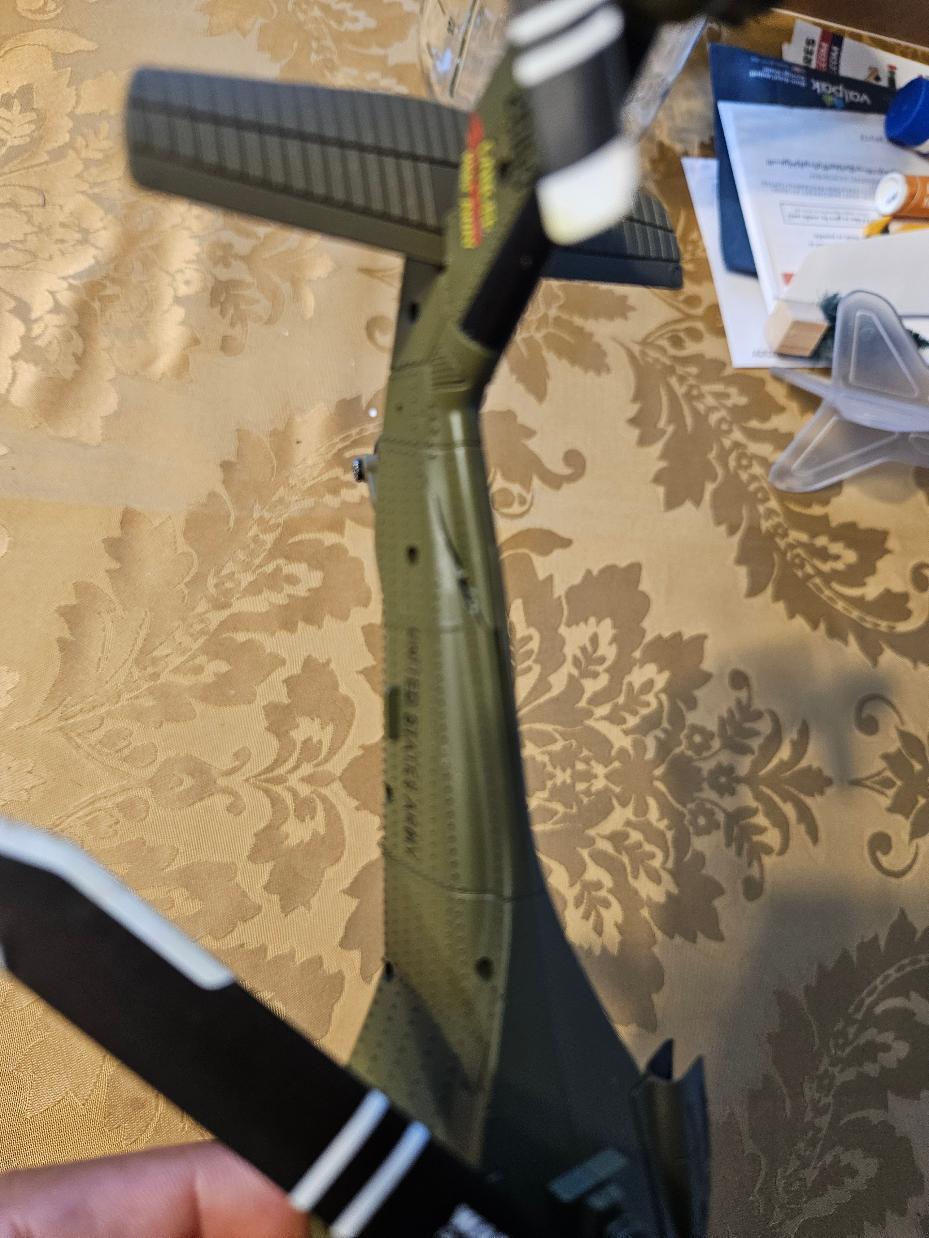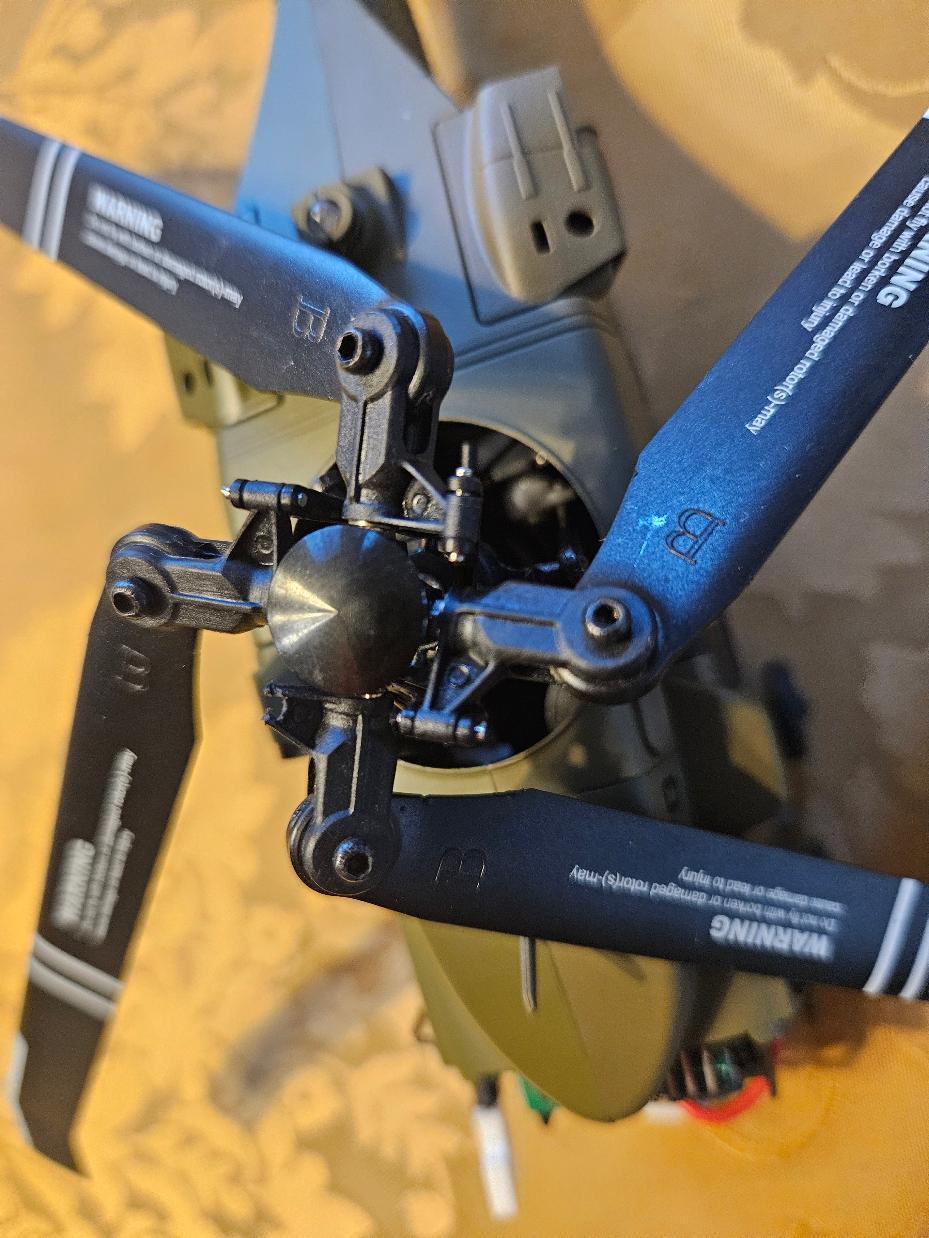

Remote control helicopters are no longer fragile toys. Modern RC helicopters are powerful, stable, and easier to fly than ever before. If you left the hobby years ago—or never tried it—today’s technology may surprise you.
What once required months of crashing and mechanical adjustments can now be learned much faster, thanks to built-in electronic stabilization.
Ready to soar? Let’s take a closer look at what changed.
Remember When RC Helicopters Were Hard to Control?
Yes, in the early days, RC helicopters lacked proper stabilization. This made them notoriously difficult to fly compared to the rock-solid models we have today.
Common problems included:
- Mechanical Complexity: Older models relied on heavy mechanical "flybars" for stability, which were a nightmare to tune.
- Constant Crashing: Without electronic sensors, the helicopter would drift the moment you looked away.
- Signal Interference: Radio interference could disrupt signals.
In the past, repeated crashes often led to frustration. Parts were scarce, and setting up a model required technical tuning skills far beyond the reach of most casual users.

What Changed? The Technology Revolution in RC Helicopters
Modern remote control helicopters benefit from major upgrades in electronics, radio systems, and power delivery. These improvements did not just increase performance; they fundamentally changed how accessible the hobby became.
Brushless Motor Power
Modern brushless motors provide a massive power-to-weight ratio. Unlike old brushed motors, they have fewer internal parts that wear out. This upgrade delivers:
- Higher efficiency
- Longer motor lifespan
- Stronger torque output
- Faster throttle response
Because there are no brushes to wear out, brushless motors often last significantly longer under comparable usage conditions.
2.4GHz Radio Systems
Old radios relied on fixed crystals and limited channels. Signal conflicts were common.
Modern RC helicopters use 2.4GHz spread-spectrum radio technology. This means:
- Minimal signal interference
- Stronger connection stability
- Safer control range
In real-world use, signal loss is now rare when equipment is properly maintained.
Advanced Gyro & Flybarless Stabilization
Modern flybarless systems use 3-axis or 6-axis gyros to automatically stabilize flight. These systems:
- Auto-correct small disturbances
- Improve hovering control
- Offer beginner flight modes
- Reduce over-correction errors
Some systems allow pilots to switch between “beginner,” “intermediate,” and “3D mode.”
While results vary by pilot skill and environment, hobby club testing shows that electronic stabilization significantly reduces early crash rates compared to legacy flybar-only systems.
GPS and Smart Flight Control Systems
This is the "Drone Tech" influence. Select advanced models now include GPS-assisted flight control. These systems may provide:
- Position hold
- Return-to-home safety features
- Flight envelope protection
- Intelligent orientation assistance
These features are typically found on higher-end models and are especially helpful for outdoor flying in open environments.
Lithium Polymer (LiPo) Battery Systems
LiPo batteries are light, powerful, and fast-charging. Compared to older battery types, LiPo systems provide:
- Higher discharge rates
- Better power-to-weight ratio
- Faster charging times
- Consistent voltage output

Are Modern RC Helicopters Easier to Fly for Beginners?
Yes, modern RC helicopters are significantly easier to fly than older models.
Today’s beginner-friendly features include:
- Self-leveling stabilization
- Reduced sensitivity flight modes
- Factory-calibrated setup
- Durable composite frames
However, RC helicopters still require practice. Unlike RC cars or most consumer drones, helicopters operate in full 3D space, and demand coordinated throttle, pitch, and yaw input.
What Types of RC Helicopters Are Available Today?
Modern RC helicopters are categorized by two main factors: Size (Class) and Mechanical Performance.
Choosing the Right Size: From Your Palm to the Big Skies
In the RC world, size affects wind resistance, cost, maintenance, and flying space requirements.
| Category | Stability | Difficulty | Best For |
| Micro RC Helicopters | Moderate | Easy | Indoor beginners |
| Small RC Helicopters | Good | Moderate | Beginners or hobbies |
| Big RC Helicopters | Very Good | Moderate–High | Outdoor flying |
| Giant RC Helicopters | Excellent | High | Experienced pilots |
Choosing Performance: Finding Your Control Style
The mechanical design of the rotor head determines how the helicopter moves through the air.
- Coaxial RC Helicopters (The Ultra-Stable Entry)
These have two sets of blades spinning in opposite directions. They are the "training wheels" of the sky. If you let go of the controls, they simply hover in place.
- Fixed-Pitch (FP) Helicopters
These move a bit faster and feel more "real" than coaxial models, but the mechanics remain simple. They are the perfect balance of fun and durability for your first "hobby-grade" experience.
- Collective Pitch RC Helicopters
These adjust the blade angle to control lift. This allows full 3D flight capability. The most serious hobby-grade remote control helicopters use collective pitch systems.
- Scale RC Helicopters
These are built to look exactly like real military or rescue helicopters. If you want a "flying piece of art" that looks amazing in photos and in the air, this is your category.
Is Now the Right Time to Get Back Into RC Helicopters?
Absolutely. Technology has lowered the entry barrier significantly. And now:
- Spare parts are easier to source.
- Online tutorials are widely available.
- Communities are active globally.
For returning pilots, the experience today feels dramatically more stable and predictable than a decade ago.
Final Thoughts
The revolution of modern RC helicopters isn't just about speed; it's about confidence. The fear of uncontrolled drift and signal loss has largely been replaced by stabilized precision and reliable power systems.
At Razordon, we curate the best hobby-grade machines that bridge the gap between "easy to learn" and "impossible to outgrow." The sky isn't the limit anymore—it's your new playground.
If you have been waiting for the right moment to return to flying or to start for the first time, this may be it.