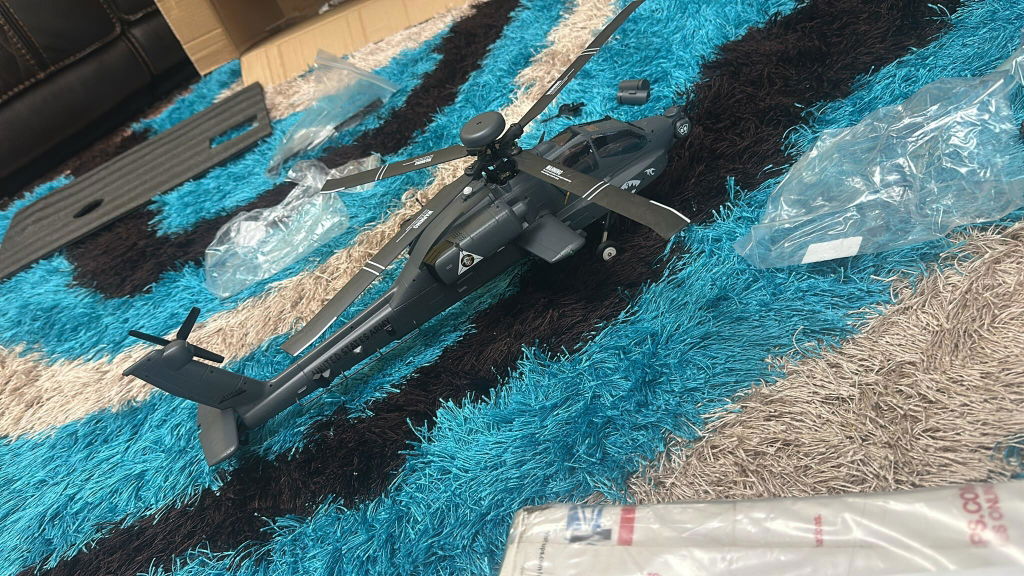

250 사이즈 이상의 대형 RC 헬리콥터는 스릴 넘치는 비행 경험을 제공하지만, 크기와 복잡성 때문에 독특한 문제에 직면할 수 있습니다.
강력한 브러시리스 모터, 넓은 로터 블레이드, 복잡한 비행 시스템을 갖춘 대형 헬리콥터는 정밀한 튜닝과 정기적인 유지보수가 필요합니다.
이 가이드는 대형 RC 헬리콥터의 일반적인 문제 해결을 돕고, 원인을 설명하며, 부드럽고 안정적인 성능을 회복하기 위한 명확한 해결책을 제시합니다.

파트 1: 안정성 및 제어 문제
드리프트 또는 흔들림과 같은 안정성 문제는 복잡한 로터 시스템 때문에 대형 RC 헬리콥터에서 흔히 발생합니다. 원인으로는 불균형한 로터 블레이드, 잘못 구성된 자이로, 바람과 같은 환경 요인이 있습니다.
1. 자이로 보정 및 비행 컨트롤러 설정
- 비행 스타일에 맞춰 자이로를 보정합니다(예: 초보자의 경우 감도 낮춤). 특정 설정은 모델의 설명서를 참조하십시오.
- 송신기와 호환되도록 비행 컨트롤러 펌웨어를 업데이트합니다.
- FBL(Flybarless) 장치 설명서를 참조하십시오. 설정 마법사를 다시 실행하고 모든 매개변수가 올바른지 확인하십시오.
2. 로터 정렬 및 블레이드 트래킹 확인
- 메인 로터 블레이드의 피치 각도가 동일한지 확인합니다. 정렬 불량은 흔들림이나 드리프트를 유발할 수 있습니다.
- 원치 않는 진동을 방지하기 위해 손상되거나 불균형한 블레이드를 교체합니다.
3. 환경 요인
- 강한 측풍 근처에서 테스트하는 것을 피하십시오. 약한 돌풍도 대형 RC 헬리콥터의 비행 패턴을 바꿀 수 있습니다.
파트 2: 전력 및 헤드 속도 문제
대형 RC 헬리콥터가 이륙에 어려움을 겪거나 헤드 속도가 부족하면 반응이 느리거나 비행 시간이 짧아질 수 있습니다. 일반적인 원인으로는 배터리 약화, 모터 마모 또는 잘못된 ESC 설정이 있습니다.
- LiPo 배터리 전압 및 밸런스를 정기적으로 확인합니다(전압 테스터 사용). 오래되거나 과방전된 배터리는 RPM과 리프트를 감소시킵니다.
- 수명을 연장하려면 항상 사용하지 않는 배터리를 올바르게 보관하십시오.
2. 모터 및 ESC 상태
- 모터 마모 또는 과열 여부를 확인하십시오. 더 나은 전력 출력을 위해 고성능 브러시리스 모터로 업그레이드하십시오.

- 모터 및 배터리 사양에 맞게 전자 속도 컨트롤러(ESC)를 조정하십시오. 손상을 방지하기 위해 제조업체 지침을 따르십시오.
- 먼지 낀 비행 후에는 브러시리스 모터를 청소하십시오. 쌓인 먼지는 토크를 감소시킬 수 있습니다.
3. 과도한 기계적 저항
메인 기어 메쉬를 점검하십시오. 너무 조이거나 느슨한 간격은 마찰 손실을 유발합니다.
파트 3: 꼬리 제어 문제
꼬리 로터는 요(yaw) 안정성에 매우 중요합니다. 대형 RC 헬리콥터가 통제 불능으로 회전하거나 방향을 유지하지 못하면 다음 구성 요소에 집중하십시오.
- 꼬리 로터 블레이드 확인: 손상 또는 불균형 여부를 검사합니다. 매끄러운 회전을 복원하기 위해 휘었거나 마모된 블레이드를 교체합니다.
- 자이로 재보정: 안정적인 제어를 위해 꼬리 자이로가 헤딩 홀드 모드로 설정되어 있는지 확인합니다. 모델에 맞게 게인 설정을 조정합니다.
- 서보 연결 검사: 느슨한 서보 나사를 조이고 바인딩이 있는지 확인합니다. 정밀한 꼬리 반응을 보장하기 위해 마모된 서보를 교체합니다.
- 벨트 장력 확인: 벨트 구동식 꼬리의 경우, 불안정한 꼬리 동작을 유발하는 미끄러짐을 방지하기 위해 적절한 장력을 확보합니다.

파트 4: 소음 및 진동
대형 RC 헬리콥터의 과도한 소음이나 진동은 기계적 문제를 나타낼 수 있으며, 이는 성능 저하 및 손상 위험으로 이어집니다. 일반적인 원인으로는 블레이드 불균형, 나사 풀림 또는 기어 마모가 있습니다.
1. 손상되거나 균형이 맞지 않는 메인/테일 블레이드.
이는 심각한 진동의 가장 흔한 원인입니다. 블레이드의 균열, 박리 또는 칩을 육안으로 검사합니다. 신뢰할 수 있는 블레이드 밸런서를 사용하여 메인 블레이드와 테일 블레이드의 균형을 정적으로 맞춥니다.
2. 휘어진 스핀들 또는 페더링 샤프트.
메인 샤프트와 페더링 샤프트 베어링을 육안으로 검사합니다. 손으로 돌릴 때 거칠거나 뻑뻑한 느낌이 들면 교체하십시오.
3. 마모되거나 손상된 베어링.
모터, 메인 샤프트 또는 테일의 마르거나 부식된 베어링은 갈리는 소음과 진동을 유발할 수 있습니다.
메인 샤프트를 손으로 돌려보세요. 저항이 고르지 않게 느껴지면 교체할 때입니다.
4. 헐거워진 프레임 또는 구성 요소.
육각 드라이버로 전체 기체를 검사하고 모든 나사가 단단히 조여졌는지 확인합니다. 모터 마운트, 랜딩 기어 및 테일 붐 지지대에 특히 주의를 기울이십시오.
결론
대형 RC 헬리콥터의 문제를 진단하고 해결하는 것은 취미의 매우 보람 있는 부분입니다. 기계 및 전기 부품으로 넘어가기 전에 간단한 설정 점검부터 시작하는 체계적인 방식으로 문제에 접근하면 대부분의 일반적인 문제를 해결할 수 있습니다.
일관된 유지보수와 비행 전 점검이 문제에 대한 최선의 방어책임을 기억하십시오.
더 많은 RC 헬리콥터 가이드를 보려면 저희 사이트를 방문하거나 HeliFreak와 같은 커뮤니티에 가입하여 다른 애호가들과 소통하십시오.
고급 비행 제어 시스템을 갖춘 프리미엄 대형 RC 헬리콥터를 찾고 있다면 Razordon.com에서 성능, 사실성 및 내구성을 위해 설계된 Scale Series를 살펴보십시오.
자주 묻는 질문
Q1. 대형 RC 헬리콥터가 계속 추락하는 이유는 무엇인가요?
A1: 추락은 종종 신호 간섭, 연결 불량 또는 블레이드 불균형으로 인해 발생합니다. 무선 범위, 전선 고정, 로터 균형을 확인하여 추락을 방지하십시오.
Q2. 대형 RC 헬리콥터 비행 전 가장 중요한 점검 사항은 무엇인가요?
A2:손상 및 부품 이탈 여부를 육안으로 확인한 후 가장 중요한 점검은 비행 컨트롤러(FBL)와 모든 제어 장치가 지연이나 걸림 없이 올바르게 작동하는지 확인하는 것입니다. 빠른 제어 반응 점검은 비행 이탈 또는 추락을 방지할 수 있습니다.