
Stellen Sie sich vor: Es ist ein regnerischer Sonntagnachmittag, und Sie steuern einen Miniaturhubschrauber durch Ihren Flur, wobei Sie kurz vor dem Kücheneingang eine geschmeidige 180-Grad-Kurve hinlegen. Das ist der Reiz des Fliegens eines Indoor-RC-Helikopters – kein Wetter, kein Feld, kein Warten. Der Schlüssel liegt in der Wahl eines kleinen, stabilen Modells, das zu Ihrer Raumgröße und Ihrem Können passt.
Dieser Leitfaden zeigt Ihnen, was einen RC-Helikopter sicher für den Indoor-Flug macht, wie viel Platz Sie benötigen, welche Funktionen wichtig sind und welche Razordon-Modelle für Anfänger, Gelegenheitsflieger und erfahrenere Piloten geeignet sind.
Was macht einen guten Indoor-RC-Helikopter aus?
Ein großartiger Indoor-RC-Helikopter vereint kompakte Größe, intelligente Stabilisierung und ein Rotordesign, das Ihre Möbel beim ersten Flug nicht zerstört. Diese drei Faktoren unterscheiden eine wirklich indoor-taugliche Maschine von einer, die nur zufällig klein ist.

Größe und Gewicht
Die Größe ist der erste Filter. Für echtes Indoor-Fliegen sollten Sie sich an zwei Kategorien halten:
- Mikroklasse (Rumpflänge unter 200 mm): Die leichteste und wendigste Option, ideal für Schlafzimmer, Flure und enge Wohnungen.
- Miniklasse (200–320 mm Rumpflänge): Ein Schritt vorwärts in Stabilität und Fluggefühl, am besten geeignet für offene Wohnzimmer oder größere Räume.
Das Gewicht ist genauso wichtig wie die Abmessungen. Modelle unter 150 g verursachen bei einem Aufprall deutlich weniger Schäden – sowohl an sich selbst als auch an dem, was sie treffen. Der WLTOYS V398-C wiegt zum Beispiel etwa 55 g. Vergleichen Sie das mit einem Scale-Modell von über 300 g, und der Unterschied in der Kollisionsenergie ist dramatisch. Leichtere Hubschrauber reagieren auch besser auf kleine Steuereingaben, was sie für Anfänger, die das Schweben lernen, viel fehlerverzeihender macht.
Stabilisierungstechnologie
Moderne Indoor-RC-Helikopter verwenden drei Hauptstabilisierungssysteme, und das Verständnis ihrer Funktionsweise erspart Ihnen viel Frustration:
- 6-Achsen-Gyroskop: Erkennt und korrigiert unerwünschte Drehungen auf allen Achsen in Echtzeit. Einfach ausgedrückt, verhindert es, dass der Hubschrauber ausbricht, wenn Sie ihn nur anpusten.
- Barometrische Höhenhaltung: Verwendet Luftdrucksensoren, um eine festgelegte Höhe automatisch beizubehalten. Sie müssen nicht mehr gegen den Gashebel kämpfen und können sich auf die Richtung konzentrieren.
- Optische Fluss-Positionierung: Eine nach unten gerichtete Kamera liest die Bodenoberfläche, um die horizontale Position zu halten. Der Hubschrauber bleibt stehen, wenn Sie die Sticks loslassen – kein Abdriften mehr in Wände.
Mehr Stabilisierungsschichten bedeuten einen größeren Spielraum für Anfängerfehler. Ein Hubschrauber mit allen drei Systemen im 6G-Modus ist in einer ruhigen Innenumgebung wirklich schwer zum Absturz zu bringen.
Rotordesign und Sicherheit
Einrotor-Designs bieten das realistischste Fluggefühl, erfordern aber mehr Piloteneingaben, um stabil zu bleiben. Zweiblatt- und Quadrotor-Konfigurationen verteilen den Auftrieb gleichmäßiger, was zu einem ruhigeren, vorhersehbareren Schweben in Innenräumen führt.
Rotorschutzvorrichtungen sind eine Überlegung wert, wenn Sie in einem wirklich kleinen Raum fliegen. Sie absorbieren Wandkontakte, ohne die Rotorblätter zu zerbrechen. Die meisten Einsteiger-Indoor-Modelle sind RTF (Ready to Fly) – alles ist vormontiert und vorprogrammiert, sodass Sie den Akku aufladen und innerhalb weniger Minuten nach dem Auspacken fliegen können.
Ist es wirklich sicher, einen RC-Helikopter in Innenräumen zu fliegen?
Das Fliegen in Innenräumen ist sicher, wenn Sie das richtige Modell wählen und die richtige Umgebung schaffen. Die Risiken sind real, aber vollständig beherrschbar – und sie im Voraus zu kennen, unterscheidet eine reibungslose erste Sitzung von einer frustrierenden.

Das wahre Risiko: Kleine Räume sind schwieriger, als Sie denken
Zwei aerodynamische Effekte überraschen die meisten Anfänger in Innenräumen.
Der Bodeneffekt tritt auf, wenn der Rotorabwind vom Boden abprallt und ein instabiles Luftkissen unter dem Hubschrauber erzeugt. Dies lässt das Fluggerät in geringen Höhen – typischerweise unter einem Rotordurchmesser vom Boden entfernt – „schwebend“ und unvorhersehbar wirken.
Wandturbulenzen sind die Indoor-Version von Wind. Wenn ein sich drehender Rotor innerhalb von 30–40 cm an eine Wand gelangt, stört der reflektierte Luftstrom den Auftrieb asymmetrisch. Der Hubschrauber neigt sich zur Wand, der Pilot überkorrigiert, und das nächste, was Sie hören, ist, wie Plastik auf Trockenbauwände trifft.
Neue Piloten neigen dazu, in diesen Situationen zu überkorrigieren, was das Problem eher verstärkt als löst. Ein einziger Satz Ersatzrotorblätter plus Versand kann zwischen 8 und 15 $ kosten – bei einem 30 $ teuren Einsteiger-Hubschrauber sind das bereits 25–50 % des ursprünglichen Kaufpreises. Von Anfang an mit diesen Effekten bewusst zu fliegen, schützt sowohl Ihren Hubschrauber als auch Ihr Budget.
Wie viel Platz wird tatsächlich benötigt?
Hier ist eine praktische Übersicht, basierend auf realer Flugerfahrung:
|
Innenraum |
Besserer Modelltyp |
Praktischer Gewichtsbereich |
Warum es passt |
|
Kleines Schlafzimmer oder Büro |
Mikro- / sehr leichtes Modell |
Ca. 55–100 g |
Leichter zu korrigieren, geringere Aufprallkraft, besser für langsames Schwebetraining |
|
Offenes Wohnzimmer |
4-Kanal Indoor RC-Helikopter |
Ca. 75–150 g |
Mehr Kontrolle als 3-Kanal, aber immer noch drinnen handhabbar |
|
Garage, Flur oder großer Raum |
Größeres 4-Kanal- / 6-Kanal-Scale-Modell |
Ca. 150 g+ |
Besser für realistisches Fliegen, benötigt aber mehr Platz und sanftere Steuerung |
Wenn Sie in einer kompakten Wohnung leben, schauen Sie sich die Sammlung kleiner RC-Helikopter an – Modelle in diesem Bereich sind speziell für enge Innenräume konzipiert.
Tipps für sichereres Fliegen in Innenräumen
Ein paar Gewohnheiten, die vom ersten Flug an einen echten Unterschied machen:
- Räumen Sie zerbrechliche Gegenstände aus Regalen und von Tischen innerhalb der Flugzone, bevor Sie einschalten.
- Schalten Sie Deckenventilatoren und Klimaanlagen aus – selbst ein sanfter Luftstrom wird einen Mikrohubschrauber vom Kurs abbringen.
- Halten Sie immer mindestens 1 Meter Abstand zu Wänden, besonders beim Erlernen des Schwebens.
- Geben Sie Haustieren und Kindern einen Puffer von 2 Metern – Rotorblätter drehen sich schnell und können die Haut schneiden.
- Beginnen Sie im 6G-stabilisierten Modus und bleiben Sie dort für Ihre ersten paar Sitzungen. Wechseln Sie erst in den 3D-Modus, wenn sich das Schweben völlig natürlich anfühlt.
Wie wählt man den richtigen Indoor-RC-Helikopter aus?
Wählen Sie einen Indoor-RC-Helikopter, indem Sie drei Dinge aufeinander abstimmen: Ihre Raumgröße, Ihre Flugerfahrung und wie viel Kontrolle Sie wünschen. Ein leichtes 4-Kanal-Modell ist in der Regel der beste Ausgangspunkt für die meisten Indoor-Anfänger.

Passen Sie Ihr Können an
Die Kanalanzahl verrät Ihnen, wie viel Kontrolle der Helikopter Ihnen gibt:
|
Können |
Besserer Kanaltyp |
Wie es sich in Innenräumen anfühlt |
|
Kompletter Anfänger |
3-Kanal |
Einfache Steuerung, langsamere Lernkurve, am besten für Gelegenheitsflieger |
|
Anfänger, der richtig üben möchte |
4-Kanal |
Bessere Richtungssteuerung und mehr Raum zum Verbessern des Könnens |
|
Ernster Anfänger / erwachsener Hobbyist |
6-Kanal |
Realistischere Steuerung, aber weniger fehlerverzeihend in kleinen Räumen |
Ein 3-Kanal-Modell ist einfach zu starten, fühlt sich aber eingeschränkter an, sobald Sie präzisere Kurven und eine bessere Positionierung wünschen. Ein 4-Kanal-Indoor-RC-Helikopter gibt Ihnen mehr Kontrolle, ohne direkt in fortgeschrittenes Fliegen einzusteigen. Ein 6-Kanal-Modell ist besser für Erwachsene, die naturgetreue Realismus, Präzision und langfristige Kompetenzentwicklung wünschen.
Passen Sie Ihr Budget an
- Unter 50 $: Einsteigererlebnis, perfekt als Geschenk oder als risikofreie Einführung in das RC-Fliegen. Erwarten Sie bei den günstigsten Optionen keine langfristige Haltbarkeit.
- 80–100 $: Der Sweet Spot. Sie erhalten ordentliche Stabilisierungsfunktionen, eine bessere Verarbeitungsqualität und ein Flugerlebnis, das wirklich Spaß macht und nicht nur funktional ist.
- 100–150 $: Hochwertige Scale-Optik kombiniert mit fortschrittlichen Flugreglern. Die richtige Wahl für Erwachsene, die über Monate und Jahre hinweg echte Flugkenntnisse entwickeln möchten.
Passen Sie Ihren Zweck an
Ihr Ziel prägt Ihr ideales Modell mehr als jedes Datenblatt:
- Fliegen lernen: Priorisieren Sie die Tiefe der Stabilisierung gegenüber dem Aussehen. Ein 6-Kanal-Modell mit optischem Fluss und Höhenhaltung bringt Ihnen das Fliegen schneller bei als ein 3-Kanal-Spielzeug.
- Ausstellen und Fliegen: Scale-Modelle wie der EC135 oder Bell 206 sehen im Regal fantastisch aus und fliegen gut genug, um regelmäßig Spaß zu haben.
- Als Geschenk kaufen: Wählen Sie RTF, halten Sie den Preis im Bereich von 30–60 $ und wählen Sie eine erkennbare militärische Silhouette. Die Apache- und Chinook-Formen kommen immer gut an.
Für einen kuratierten Ausgangspunkt filtert die RC-Helikopter für Anfänger-Sammlung die Komplexität heraus und zeigt Ihnen, was für neue Piloten wirklich geeignet ist.
Die 8 besten Indoor-RC-Helikopter, die Sie jetzt kaufen können
Hier sind acht Indoor-RC-Helikopter aus der Razordon-Indoor-Linie, gruppiert nach Preis, Steuerungsniveau und der Art des Piloten, für den sie am besten geeignet sind.

|
Modell |
Kanal |
Preis |
Gewicht |
Am besten geeignet für |
|
S109H Apache |
3-Kanal |
29.99 $ |
150g |
Budget-Geschenk / kurze Indoor-Flüge / 3-Kanal-Einführung |
|
S026H Chinook |
3-Kanal |
39.99 $ |
200g |
Zweirotor-Optik / offene Räume / Gelegenheitsfliegen |
|
WLTOYS V398-C |
4-Kanal |
29.99 $ |
~55g |
Kleine Räume / erster 4-Kanal-Flug / leichteste Option |
|
RC ERA C186 BO105 |
4-Kanal |
99.99 $ |
80g Fluggerät |
Stabiles 4-Kanal-Training / Scale-Optik |
|
RC ERA C186 MAX BO105 |
4-Kanal |
89.99 $ + |
80g Startgewicht |
Optischer Fluss 4-Kanal-Training / Batterieoptionen |
|
WLTOYS K160 EC-145 |
4-Kanal |
89.99 $ + |
75g reines Fluggerät |
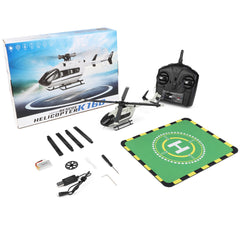
Bürstenloser Hauptmotor / EC-145 Scale-Optik |
|
RC ERA C138 Bell 206 |
6-Kanal |
93.99 $ + |
105g Fluggerät |
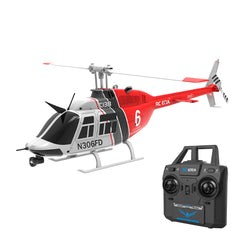
6-Kanal-Training / Bell 206 Styling / mittelgroße Räume |
|
RC ERA C123 EC135 |
6-Kanal |
149.99 $ |
165g Fluggerät |
Größerer Innenraum / detaillierter EC135-Rumpf / 15-minütige Flüge |
Budget-Auswahl (unter 50 $) — S109H Apache, S026H Chinook & WLTOYS V398-C
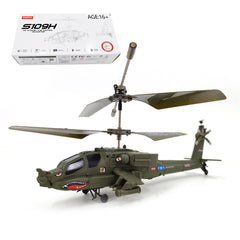
S109H Apache: Die S109H ist die einfache und kostengünstige Wahl für kurze Indoor-Sitzungen. Ihr 3CH-Setup, die Gyro-Stabilisierung, die LED-Navigationslichter, der Ein-Tasten-Start/-Landung und der Not-Aus-Schalter machen sie für Erstflieger einfach zu handhaben. Die Flugzeit beträgt etwa 6–8 Minuten, daher ist sie eher ein lustiges Einstiegs- oder Geschenkmodell und kein Helikopter für lange Übungssitzungen.
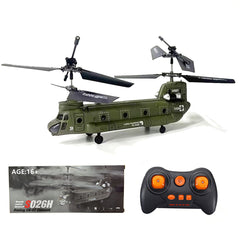
S026H Chinook: Die Chinook ist die Budget-Option für alle, die eine Doppelrotor-Form anstelle eines weiteren Einzelrotor-Minihelikopters wünschen. Sie verfügt über eine 3CH-Steuerung mit Gyro-Unterstützung, Ein-Tasten-Start/-Landung, Not-Aus und eine Flugzeit von 6–8 Minuten. Da sie etwa 200 g wiegt, benötigt sie einen größeren Raum als die leichtere V398-C.
WLTOYS V398-C: Mit etwa 55 g, einem 4CH-Doppelblatt-Layout, barometrischer Höhenhaltung und einem 6-Achsen-Gyro ist die V398-C der leistungsfähigste Indoor-Helikopter unter 30 $. Die 12-minütige Flugzeit ist für den Preis solide. Dies ist das Modell, das man kaufen sollte, wenn der erste Indoor-Flug gut verlaufen soll. Die Raketenstartfunktion ist ein Bonus, den Kinder lieben.
Mittelklasse-Auswahl (80–100 $) — C186, C186 MAX & K160
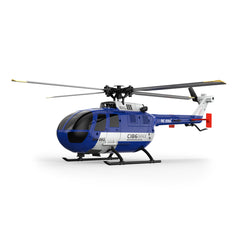
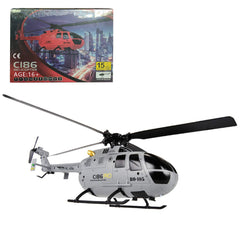
RC ERA C186 BO105: Die C186 ist die beste Aufstiegsoption, wenn Sie einen maßstabsgetreuen Helikopter möchten, der sich immer noch gut in Innenräumen steuern lässt. Sie kombiniert 4CH-Steuerung, optische Fluss-Positionierung, barometrische Höhenhaltung, einen 6-Achsen-Gyro und Ein-Tasten-Start/-Landung. Das Gewicht des Fluggeräts beträgt etwa 80 g, wodurch es präsenter ist als die V398-C, ohne für ein leeres Wohnzimmer zu schwer zu wirken.
RC ERA C186 MAX BO105: Der flybarless Rotorkopf der MAX-Version sorgt für schärfere und direktere Steuerungseingaben. Den Unterschied spürt man sofort, wenn man zuerst die Standard C186 geflogen hat. Empfohlen für Piloten, die bereits einige Stunden mit einem 4CH-Modell verbracht haben und mehr Ansprechverhalten wünschen, ohne zur Komplexität eines 6CH-Modells zu wechseln.
WLTOYS K160 EC-145: Der EC-145-Flugrahmen verwendet eine Vierblatt-Hauptrotor-Konfiguration, die den Auftrieb gleichmäßiger verteilt und einen spürbar ruhigeren Schwebeflug erzeugt als ein Standard-Zweiblatt-Setup. Eine gute Wahl für fortgeschrittene Piloten, die ein anderes Flugverhalten erkunden möchten.
Premium-Auswahl (90–150 $) — C138 Bell 206 & C123 EC135
RC ERA C138 Bell 206: Die C138 bietet Ihnen ein 6CH-Modell im Bell 206-Stil, ohne dass Sie auf einen großen Outdoor-Helikopter umsteigen müssen. Sie wiegt etwa 105 g, fliegt 11–13 Minuten pro Ladung und ist in Versionen mit oder ohne optischer Fluss-Positionierung erhältlich. Wählen Sie die optische Fluss-Version, wenn Sie ein stabileres Indoor-Training wünschen; wählen Sie die Standardversion, wenn Sie einen niedrigeren Preis bevorzugen.
RC ERA C123 EC135: Die EC135 im Maßstab 1:36 mit ihrem ummantelten Heckrotor ist das optisch genaueste Modell in dieser Reihe. Sechs-Kanal-Steuerung, hochwertige Lackierungsoptionen und ein Flugverhalten, das geduldige, bewusste Eingaben belohnt. Wenn Sie einen Helikopter möchten, der sowohl im Regal als auch in der Luft gut aussieht, ist dies das Richtige.
Jedes dieser Modelle hat seine eigene Persönlichkeit in der Luft. Wenn Sie einen genaueren Blick auf die tatsächliche Flugleistung und das Benutzerfeedback der Top-Picks werfen möchten, geht unser Leitfaden zu den 7 besten Indoor-RC-Helikoptern tiefer auf jedes einzelne ein.
Häufige Fehler von erstmaligen Indoor-Fliegern
Der Kauf des richtigen Indoor-RC-Helikopters hilft, aber die ersten Flüge hängen immer noch von der Einrichtung und den Steuergewohnheiten ab. Die meisten frühen Abstürze resultieren aus zu schnellem Fliegen, dem Ignorieren von Batteriewarnungen oder dem Üben in einem nicht ausreichend geräumigen Raum.

Direkt in den 3D-Modus springen
Wechseln Sie nicht in den 3D- oder Stunt-Modus, bevor Sie ruhig schweben, drehen und landen können. Einige Indoor-RC-Helikopter verfügen über 6G-Stabilisierung, Stunt-Funktionen oder schärfere Steuermodi, aber diese Einstellungen sind für einen neuen Piloten weniger fehlerverzeihend.
Verbringen Sie Ihre ersten paar Sitzungen im stabilsten Modus. Üben Sie das Halten einer Höhe, das Fliegen kurzer gerader Linien und das Landen am selben Punkt, bevor Sie schnellere Manöver versuchen.
Ignorieren des Batteriestands
Indoor-Schweben ist energieintensiver, als es aussieht. Die konstanten Mikrokorrekturen, die der Gyro zur Aufrechterhaltung der Stabilität vornimmt, ziehen kontinuierlich Strom. Die meisten Indoor-Modelle zeigen eine Spannungsabfallwarnleuchte oder piepsen, wenn der Akku etwa 30 % Kapazität erreicht hat. Landen Sie sofort, wenn Sie dies sehen. Ein Überschreiten dieses Punktes führt zu einem Spannungsabfall, der den Helikopter in den letzten Momenten vor dem Absturz träge und unberechenbar macht. Zwei oder drei Ersatz-RC-Helikopter-Akkus zur Hand zu haben, ist die kostengünstigste Verbesserung, die Sie an Ihren Flugsitzungen vornehmen können.
Zu nah an der Decke fliegen
Der Deckeneffekt ist das Indoor-Äquivalent des Bodeneffekts – der Rotor-Abwind prallt von der Decke ab und erzeugt eine Aufwärtsdruckzone, die den Helikopter höher drückt, als beabsichtigt. Neue Piloten reagieren oft, indem sie den Gashebel abrupt reduzieren, was zu einem plötzlichen Absturz führt. Halten Sie jederzeit mindestens 0,5 Meter Freiraum über Ihrem Helikopter. Für Ihre ersten Sitzungen sollten Sie versuchen, in 1–1,5 Metern Höhe über dem Boden zu fliegen und dort zu bleiben.
Die Vorflugkontrolle überspringen
Dreißig Sekunden vor jedem Flug können viel Frustration verhindern. Gehen Sie diese vier Punkte jedes Mal durch:
- Rotorblätter: Überprüfen Sie auf Risse, Absplitterungen oder Lockerheit an der Nabe. Ein beschädigtes Blatt erzeugt Vibrationen, die den Gyro stören.
- Akkuladung: Vergewissern Sie sich, dass er vollständig geladen ist. Ein halb geladener Akku bietet Ihnen die halbe Flugzeit und eine geringere Stabilität bei niedriger Spannung.
- Sender-Signal: Schalten Sie den Sender vor dem Helikopter ein, warten Sie auf die Bindebestätigung und testen Sie die Stick-Reaktion am Boden.
- Flugbereich: Ein letzter Scan nach allem, was seit der letzten Überprüfung in den Bereich gerollt ist.
Für Ersatzblätter, Schutzvorrichtungen und andere Wartungsartikel finden Sie im Bereich RC-Helikopter-Zubehör Teile für die meisten gängigen Indoor-Modelle.
Häufig gestellte Fragen
F1: Kann ich einen Indoor-RC-Helikopter in einer kleinen Wohnung fliegen?
Ja, aber wählen Sie zuerst einen leichten Indoor-RC-Helikopter und räumen Sie einen echten Flugbereich frei. Ein Modell wie die WLTOYS V398-C ist einfacher für Wohnungen, da sie etwa 55 g wiegt und für langsamere Indoor-Steuerung gebaut ist. Halten Sie, wenn möglich, mindestens 3 x 3 Meter frei, schalten Sie Ventilatoren aus und vermeiden Sie das Fliegen in der Nähe von Lampen, Regalen, Haustieren oder Hängelampen.
F2: Welcher ist der beste Indoor-RC-Helikopter für Anfänger?
Die WLTOYS V398-C ist der einfachste und günstigste Einstiegspunkt für die meisten Anfänger, da sie leicht ist, 4CH hat und über Höhenhaltung verfügt. Die RC ERA C186 BO105 ist die bessere Wahl, wenn Sie einen realistischeren Maßstabs-Look mit optischer Fluss-Positionierung und Ein-Tasten-Start/-Landung wünschen. Wählen Sie die V398-C für kleine Räume und die C186 für ein freieres Wohnzimmer oder einen Übungsbereich.
F3: Was ist der Unterschied zwischen 3CH, 4CH und 6CH Indoor-RC-Helikoptern?
Ein 3CH Indoor-RC-Helikopter ist am einfachsten zu fliegen, bietet aber die geringste Kontrolle. Ein 4CH-Modell bietet eine bessere Richtungssteuerung, weshalb viele Anfänger es nach den ersten Flügen bevorzugen. Ein 6CH-Modell fühlt sich realistischer an und gibt erfahrenen Piloten mehr Kontrolle, benötigt aber mehr Platz und sanftere Stick-Eingaben in Innenräumen.
F4: Wie lange hält der Akku eines Indoor-RC-Helikopters?
Die meisten Indoor-RC-Helikopter fliegen etwa 6–15 Minuten pro Akku, abhängig von Modellgröße, Motortyp und Flugstil. Die S109H und S026H sind Modelle für kürzere Sitzungen mit etwa 6–8 Minuten, während die WLTOYS V398-C etwa 12 Minuten fliegt. Einige RC ERA-Modelle können etwa 15 Minuten erreichen, daher sind Ersatzakkus nützlich, wenn Sie längere Übungssitzungen wünschen.
F5: Sind Indoor-RC-Helikopter sicher für Kinder?
Indoor-RC-Helikopter können mit Aufsicht eines Erwachsenen sicher für Kinder sein, sind aber nicht dasselbe wie weiche Indoor-Spielzeuge. Überprüfen Sie vor dem Kauf die Altersempfehlung für das spezifische Modell, da Größe, Geschwindigkeit und Steuerungsart variieren. Für jüngere Piloten wählen Sie ein leichteres Modell, beginnen Sie in einem freien Raum, halten Sie Haustiere fern und lassen Sie einen Erwachsenen das Laden, die Startvorbereitung und die ersten Flüge übernehmen.
Fazit
Die Wahl des richtigen Indoor-RC-Helikopters beginnt mit der Raumgröße, dann dem Könnensstand und schließlich dem Budget. Ein leichtes 4CH-Modell ist für viele Anfänger der beste Ausgangspunkt, da es mehr Kontrolle bietet als ein einfacher 3CH-Helikopter, ohne zu fortgeschritten zu wirken.
Indoor-Fliegen ist nützlich, weil man oft üben kann. Selbst 10–15 Minuten Schweben, Drehen und Landen in einem freien Raum helfen Ihnen, mit der Zeit eine bessere Kontrolle zu entwickeln.
Beginnen Sie mit dem Modell, das Sie tatsächlich fliegen werden, nicht dem größten auf der Seite. Vergleichen Sie Gewicht, Kanalanzahl, Stabilisierung, Akkuoptionen und Ersatzteile, bevor Sie kaufen.
Durchsuchen Sie die Indoor-RC-Helikopter-Kollektion von Razordon, um alle 8 Modelle Seite an Seite zu vergleichen und dasjenige auszuwählen, das zu Ihrem Raum und Flugstil passt. Immer noch unentschlossen? Der Leitfaden zu den Top 7 Indoor-RC-Helikoptern beleuchtet die reale Leistung der beliebtesten Modelle.